Have you ever thought about how much the shape of your nails can influence the image you project?
Have you ever struggled to choose the right shape to suit your style and your hands?
In this article, you will discover everything you need to know about different nail shapes, from the classics to bolder, more creative options.
You will find advice on choosing the best shape for you or your clients, taking into account nail health, daily activities and personal style.
Join me on a journey through the world of nails that will help you express your individuality with style and elegance.
Nail shape: style, personality and comfort
The shape you choose for your nails reflects your style and personality.
It can also make fuller fingers look slimmer (like mine!), or make a hand look shorter and broader. Some shapes require a little more care when using your hands every day.
Before choosing, think about what suits your hands and your current mood, as well as the tasks you need to carry out.
Almond nails, for example, are ideal for making fuller hands look more slender and are elegant and practical to wear. Square nails are more fragile, have a classic feel and look best on long, slender fingers.
Popular nail shapes and their characteristics
Here are some of the most popular nail shapes at the moment:
Square shape
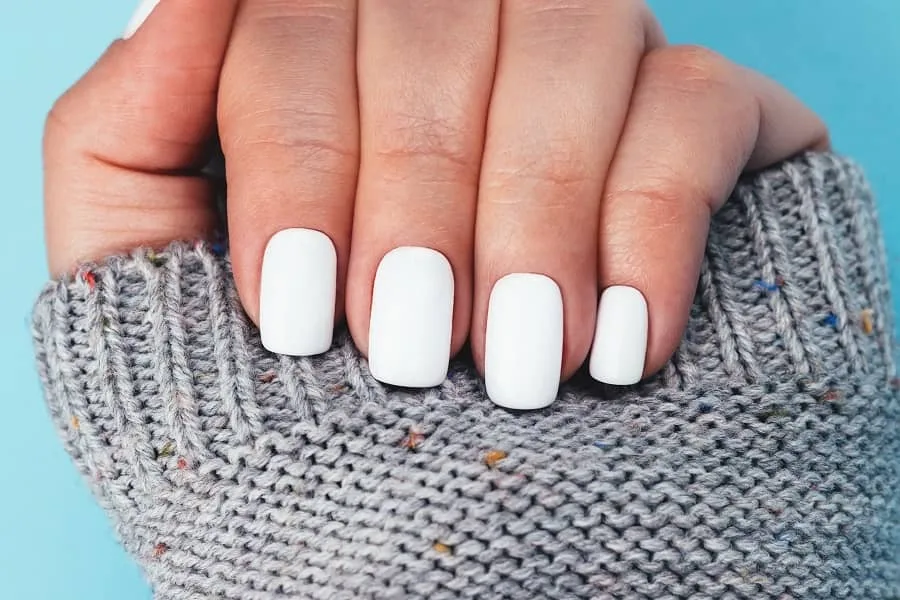
This nail shape is a classic, although it is a little delicate: the corners can break easily if sculpted too thinly or if the wearer is not gentle with her hands.
A favourite among American girls, it is often passed over in Italy in favour of squoval or oval nails.
The perfect pairing is a classic white French manicure or a single colour with nail art.
It can be worn very short or medium to long. If your fingers are less slender, the latter may be a better choice, as a short square can make the whole hand look less balanced.
It is certainly the most complex shape to execute correctly, with many requirements for a perfect result. Watch out for flared sidewalls!
Ideal for a classic look with a French manicure, or a bold look when long and colourful.
Oval (round) shape
This is the most practical shape to wear, as the risk of breakage is considerably lower and a break is likely only after a substantial impact.
It can be worn short or medium-length (I find long ovals rather inelegant) and is easy to create. It suits anyone and helps fingers look a little more slender.
The perfect pairing: solid colours in different shades across the fingers, creating playful combinations and a distinctive result without elaborate nail art.
It is particularly suitable if you want neat nails without drawing too much attention, for a classic, elegant and understated look.
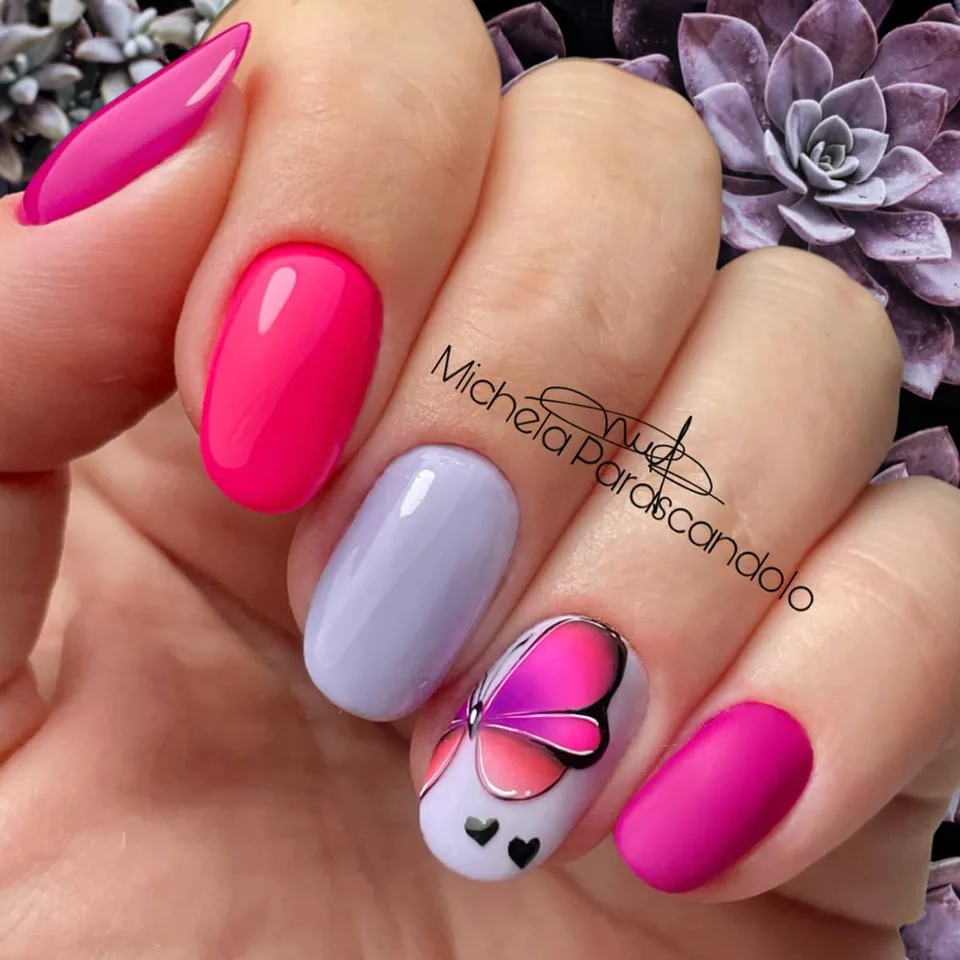
Squoval shape
As the name suggests, this shape is a fusion of the previous two.
Think of it as a square with softened corners, making it more practical to wear and slightly less prone to breakage.
A perfect combination that suits French manicures and solid colours, in any length you like.
Almond shape
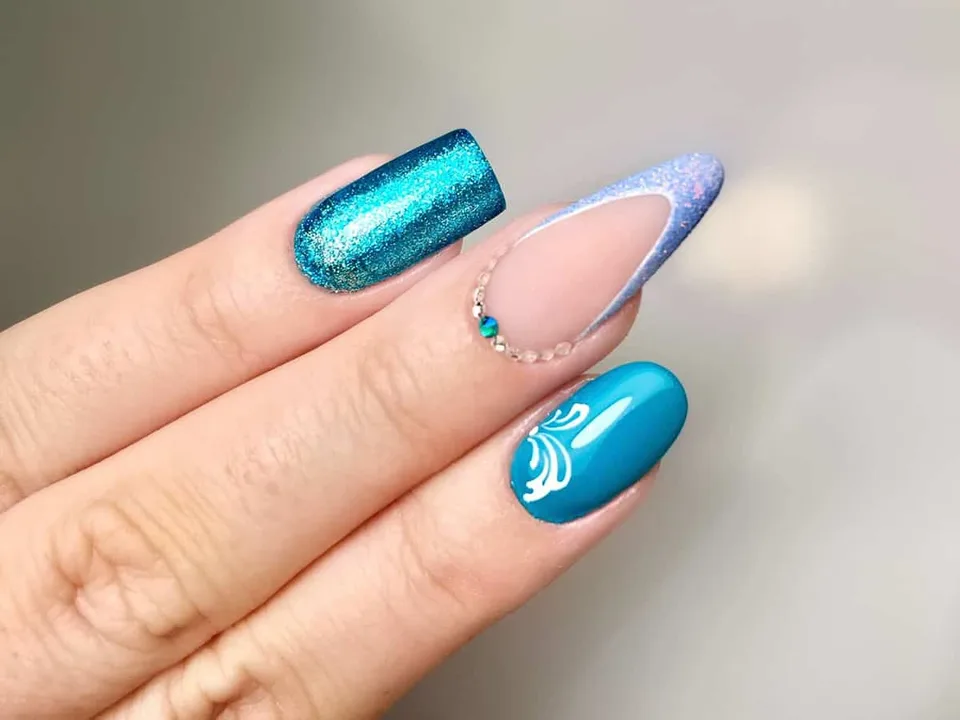
The almond shape is similar to an oval, but with a much more tapered free edge.
Whether classic or hybrid, it cannot be made too short: the sidewalls need enough length to form a balanced tip, otherwise the result can look like a pointed claw.
Easy to wear and not particularly prone to breakage (the tip is the most vulnerable part, but less so than square corners), it is the ideal shape for making fingers look slimmer when they are a little fuller.
Perfect pairings include French manicures, solid colours and nail art: all look striking on almond nails.
Choose it when you feel fashionable, bold and creative.
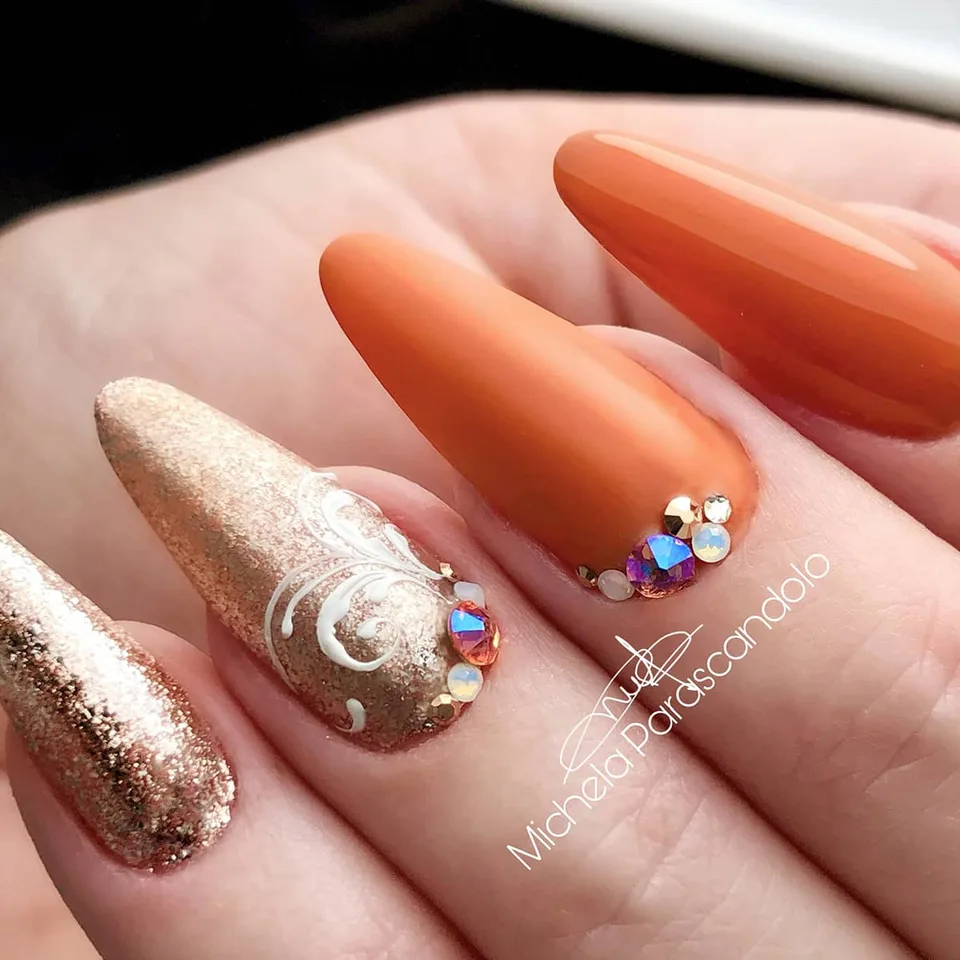
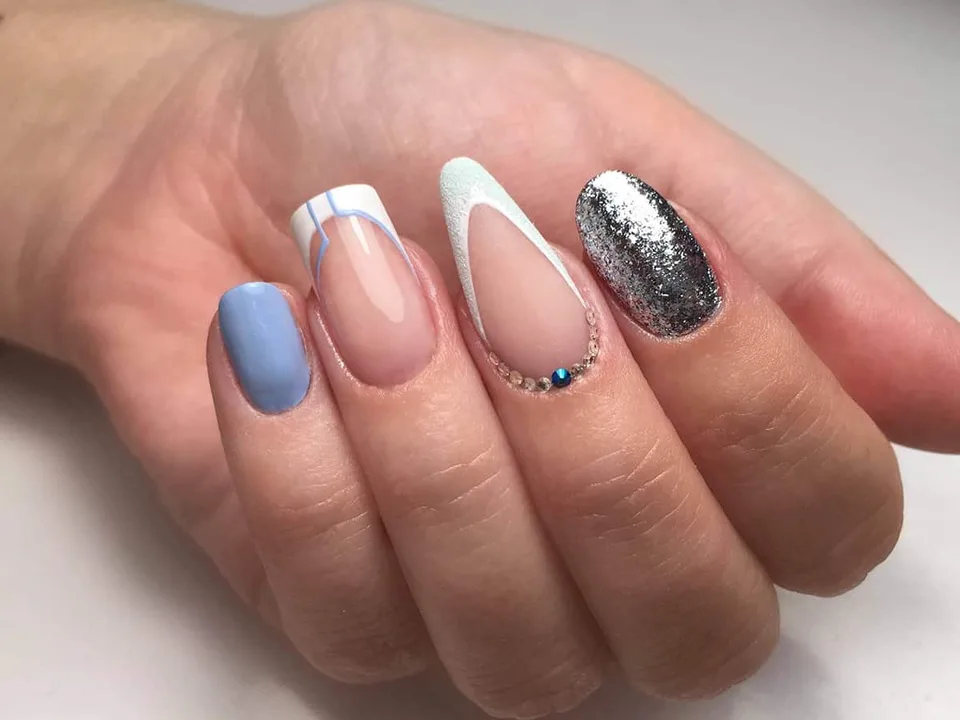
Want to learn to create classic nail shapes professionally?
In my Gel Base Plus course, you will learn to create oval, almond and square nails, as shown in the photo.
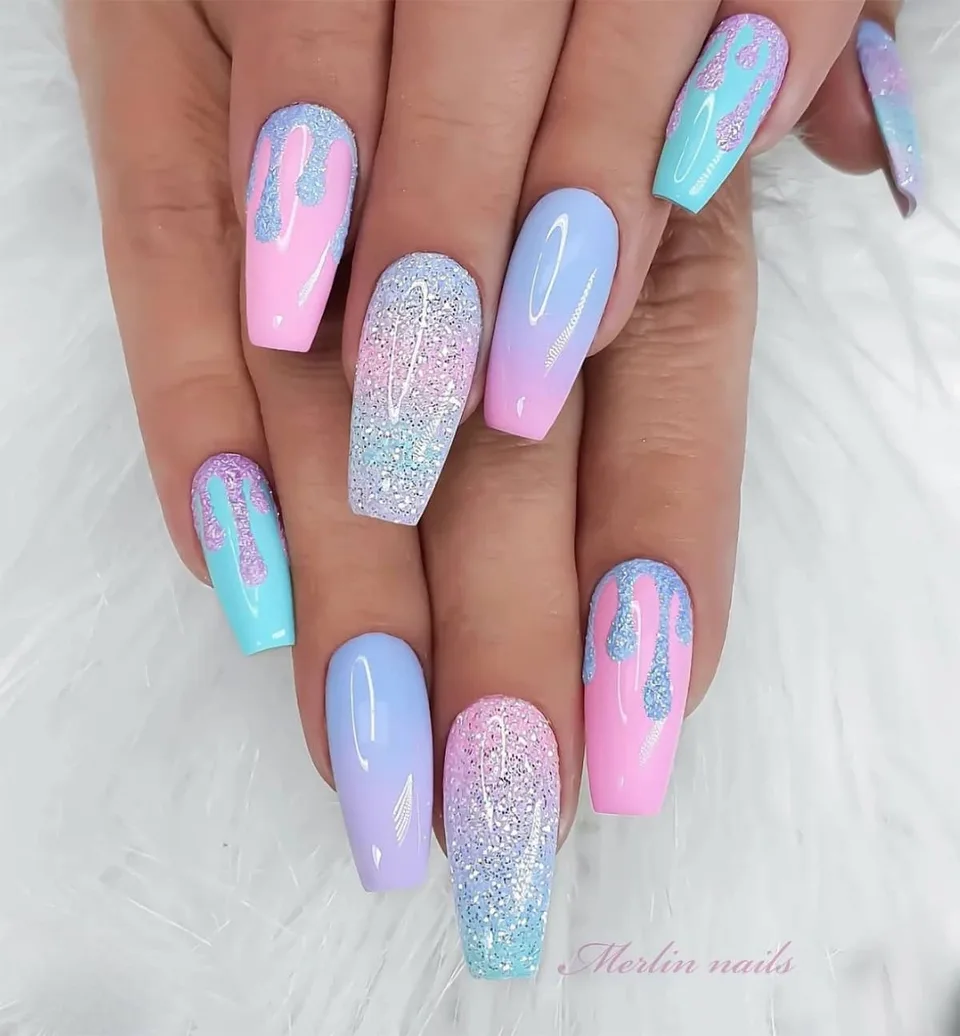
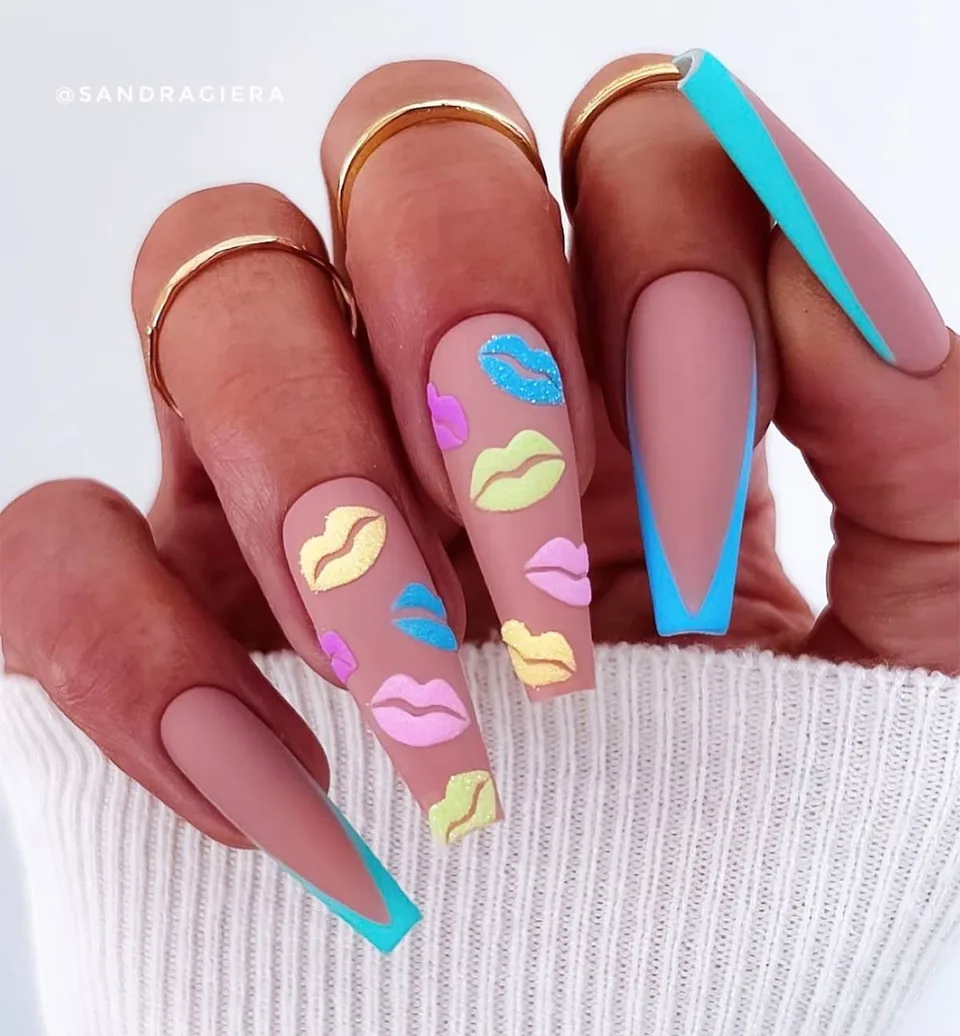
Ballerina/coffin shape
Ballerina/coffin nails have been very popular among younger clients for several years around the world. Originally, the two names described the same shape.
Today, ballerina nails have slightly rounded sides, while coffin nails have very straight sides.
The tapered tip ends perpendicular to the sides: think of it as an almond with the tip cut off.
Suitable for medium, long or very long nails, it creates a striking, bold look, often paired with solid colours or nail art, although a French manicure softens the effect. It is also a great way to make fingers look more slender.
How to choose your nail shape
Choosing a nail shape depends on several factors, including your daily activities, nail health and personal style.
- Consider your nail health
If your nails are fragile or break easily, it is best to have strengthening treatments before getting enhancements.
Then start with a practical shape that is not too long, so that you can gradually get used to your new nails.
- Think about your personal style
Your nail shape should reflect your personal style, or at least your current mood. You can change the shape from one infill to the next!
Extreme nail shapes
We have looked at the shapes most often requested in salons and suitable for everyday wear. Now let’s explore extreme shapes.
They are mainly created by highly experienced nail technicians for competitions, photo shoots and trade shows, although some people enjoy wearing them every day despite the restrictions they place on movement.
Stiletto shape
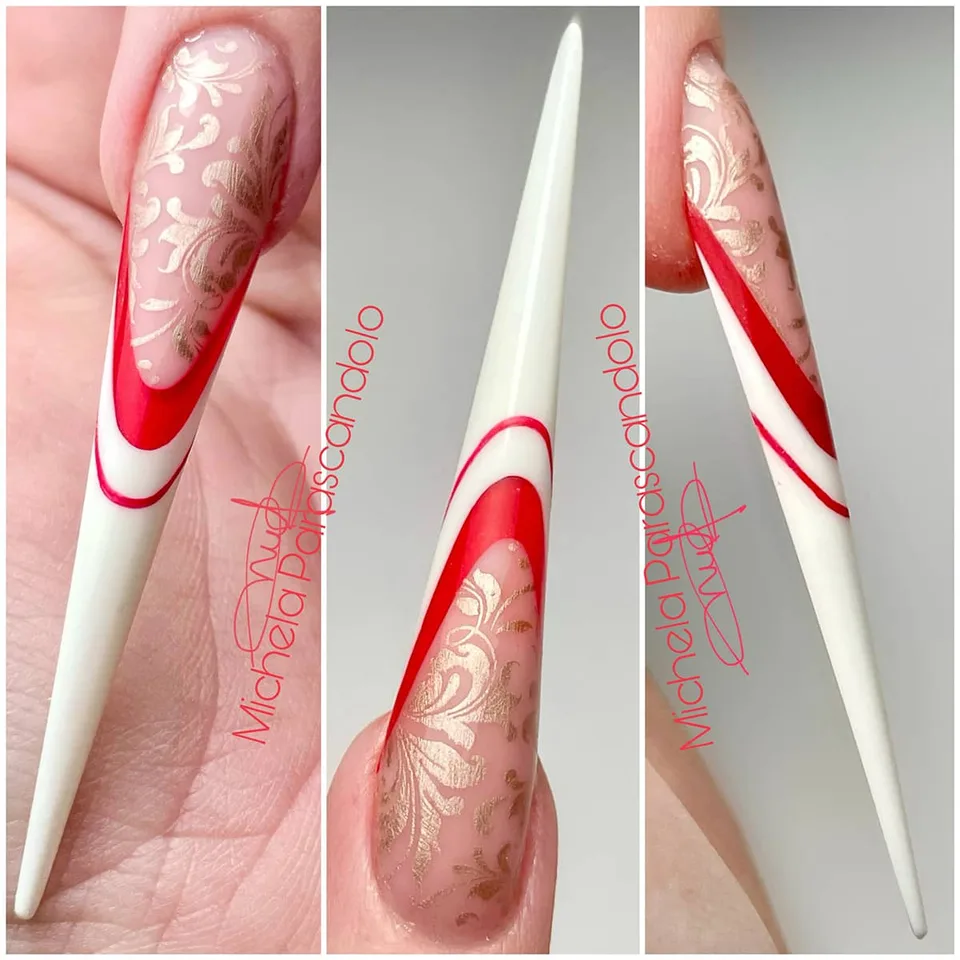
The stiletto, often confused with a simple almond shape, takes its name from a thin, very sharp dagger.
Beautiful, but difficult to wear because of its very sharp tip, it cannot be created on short nails!
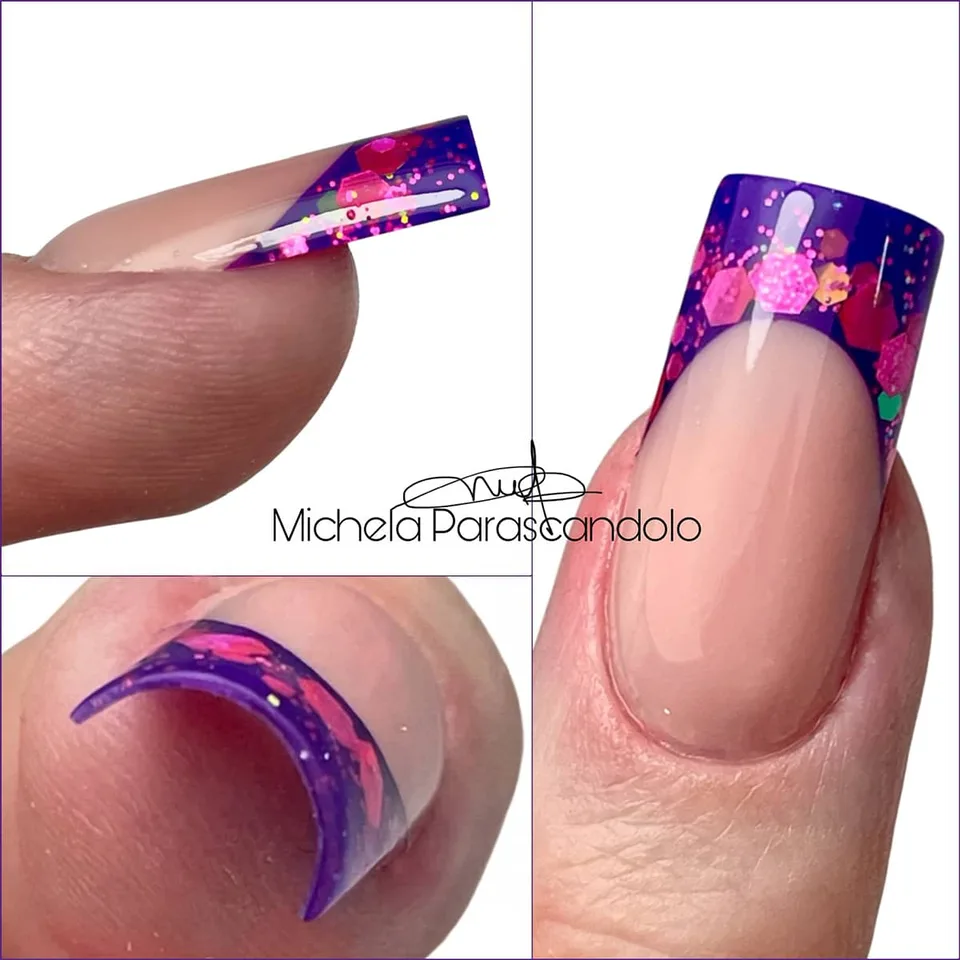
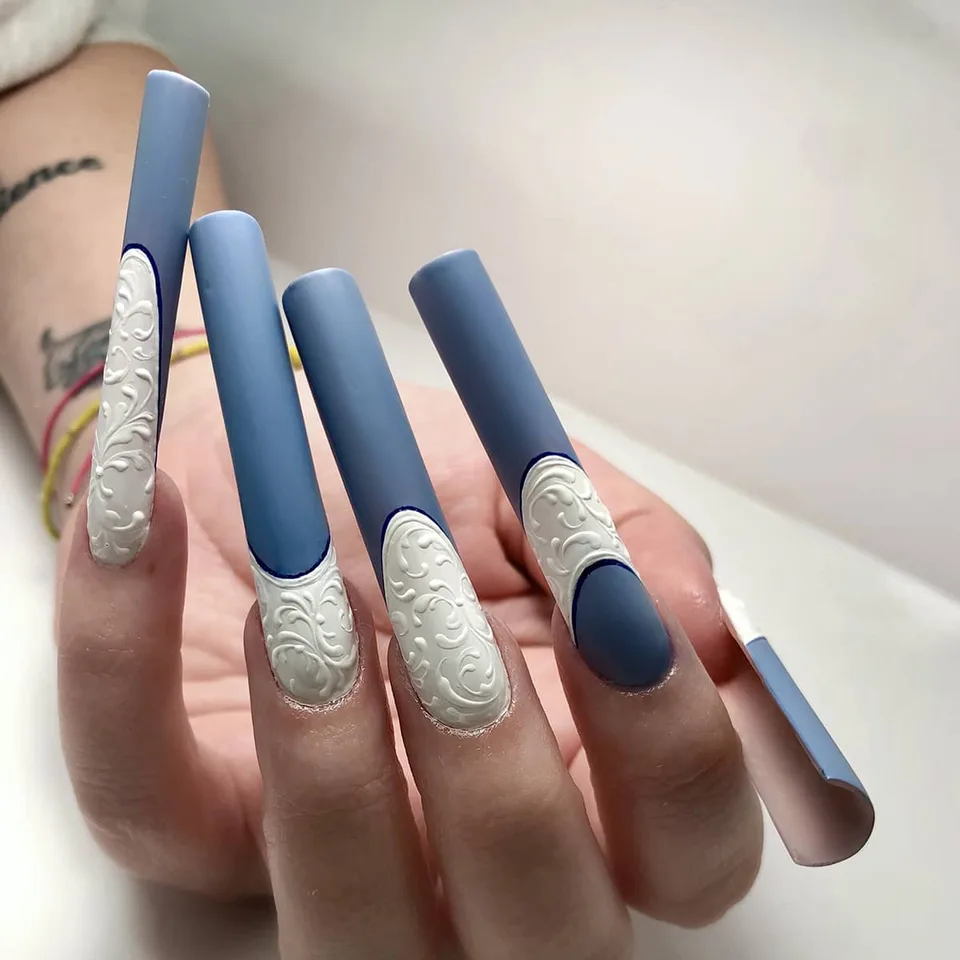
Pipe shape (tube)
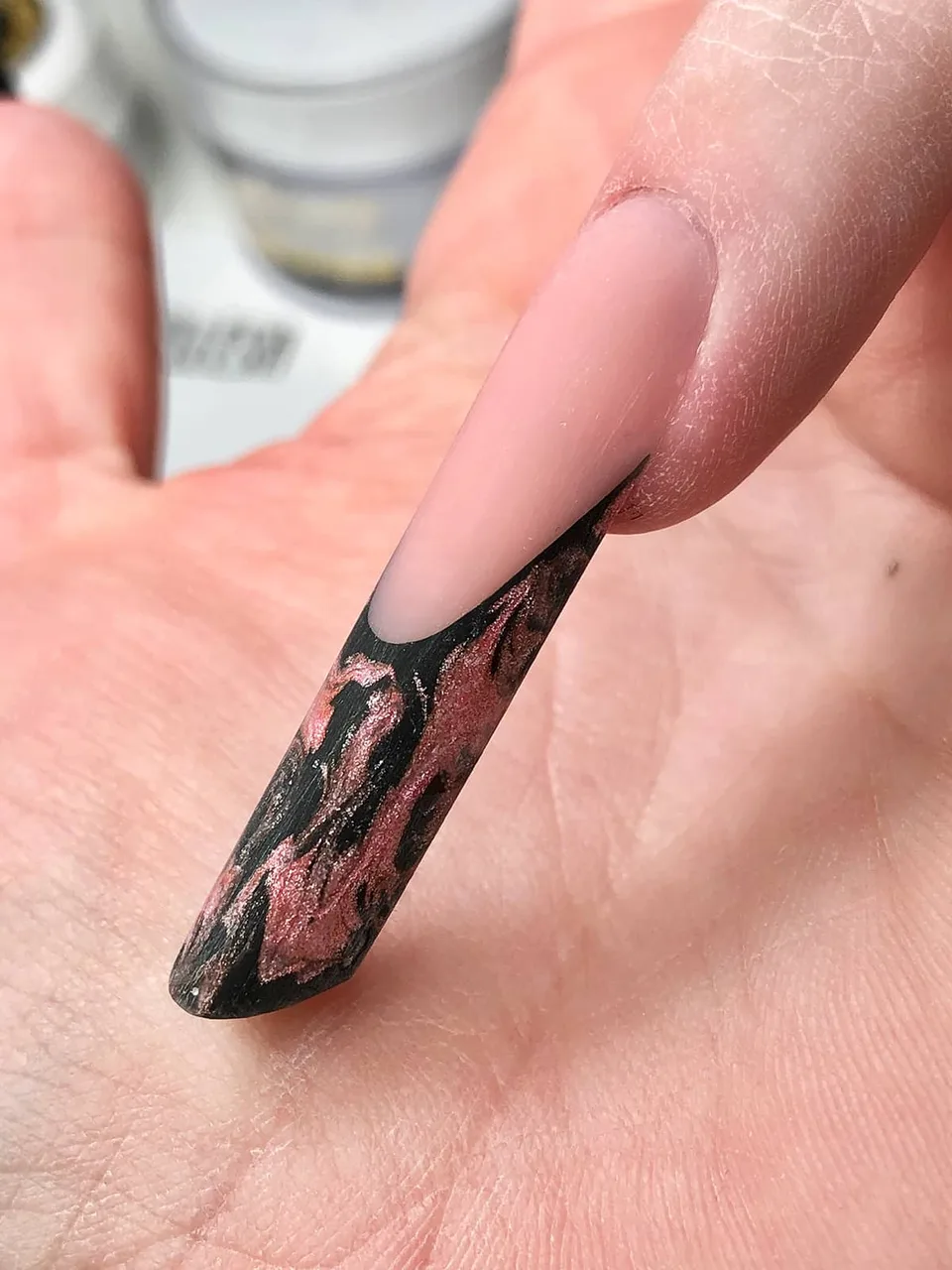
The pipe shape is very similar to a square, but with a free edge angled at 45 degrees.
Personally, I find it prettier and more elegant in a short version (mini shape), although the extreme version is also quite wearable.
Square shape
This is simply the square shape in an extra-long version.
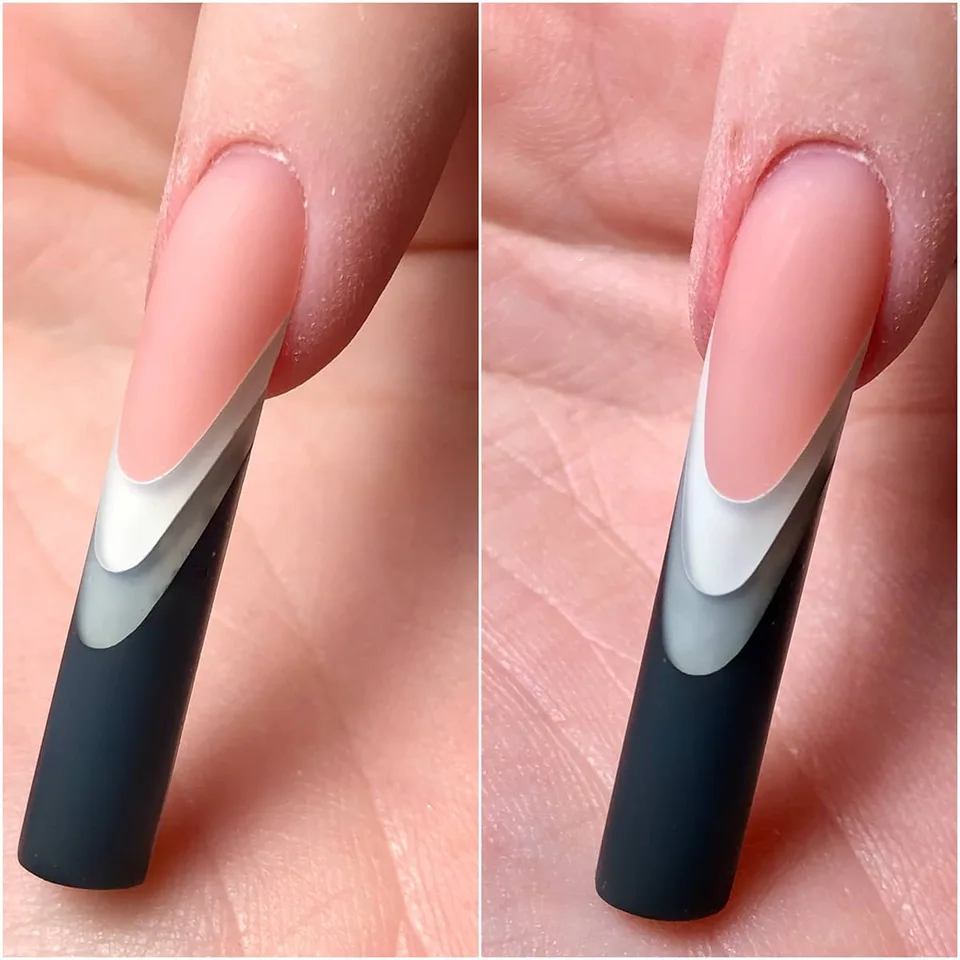
Russian, gothic or modern almond shape
These are variations on the almond shape, with some differences in their proportions and structure.
Beautiful, tapered and reasonably practical to wear.
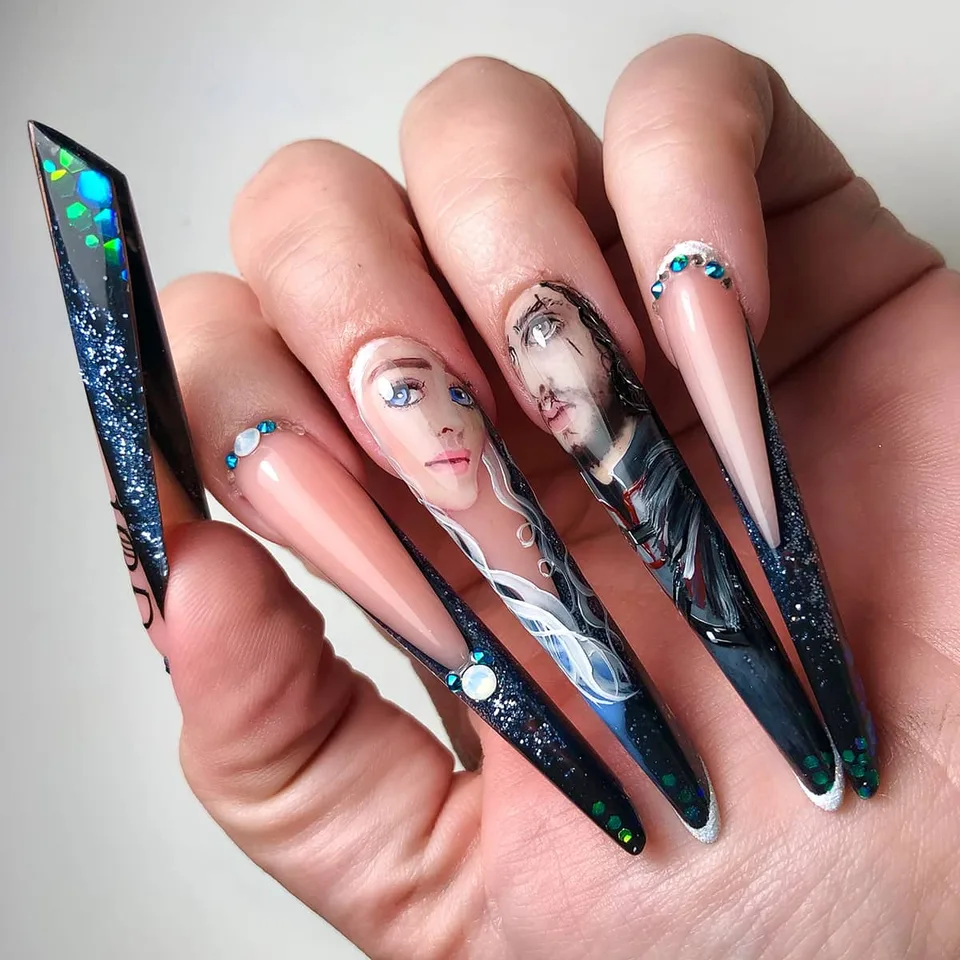
Marylin shape
Marylin is a hybrid of a square and a Gothic almond: elegant and practical to wear!
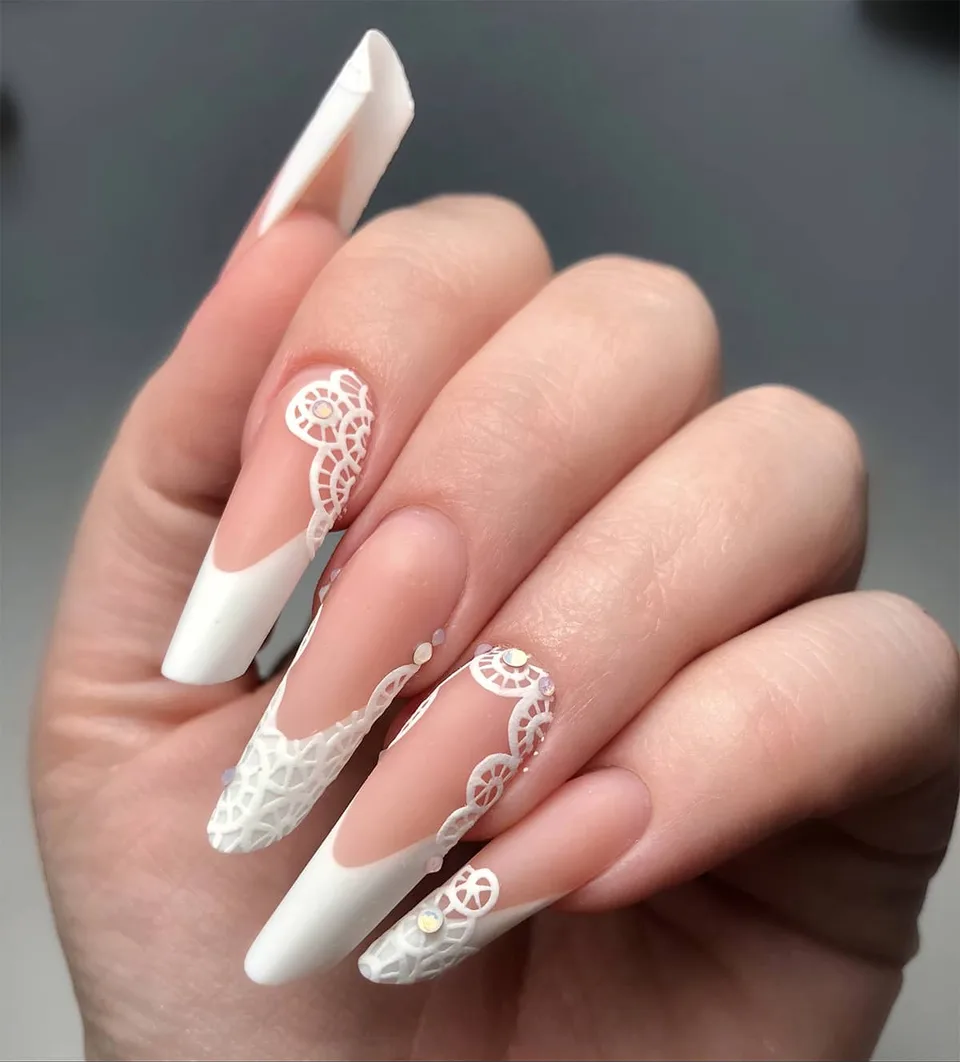
Edge shape
The edge is a very sharp, angular shape: difficult to create and wear, but wonderful to look at.
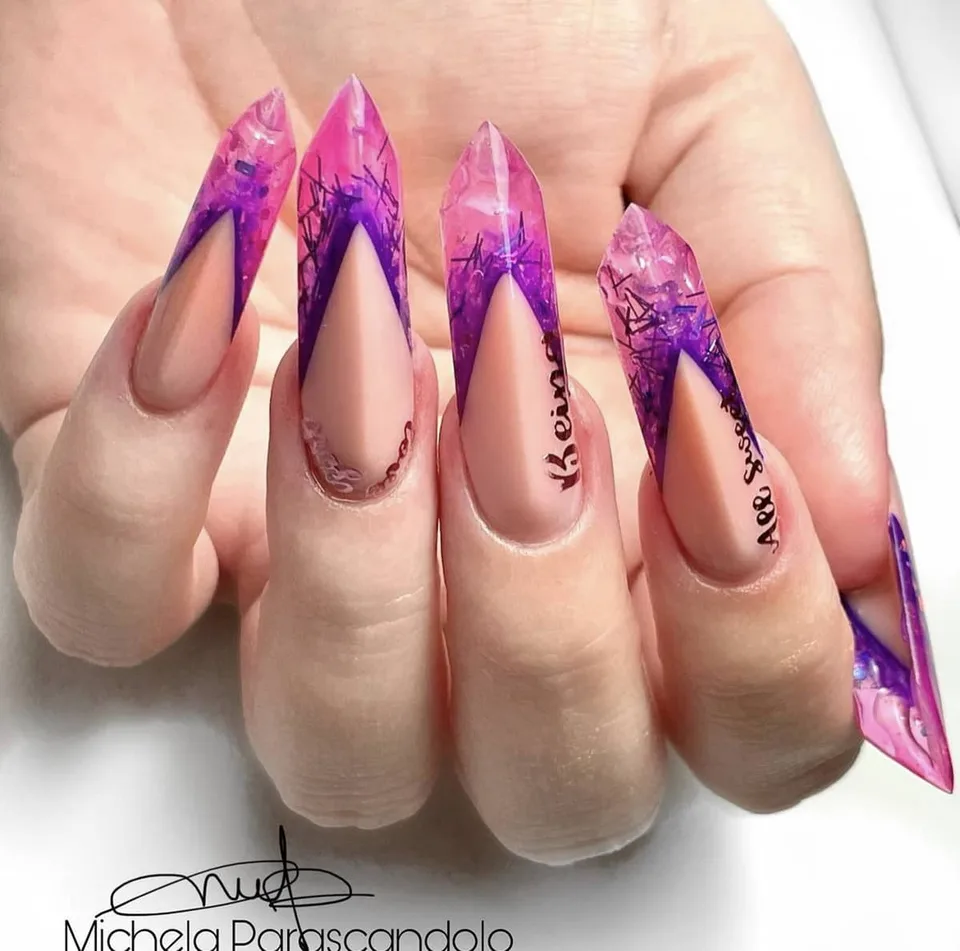
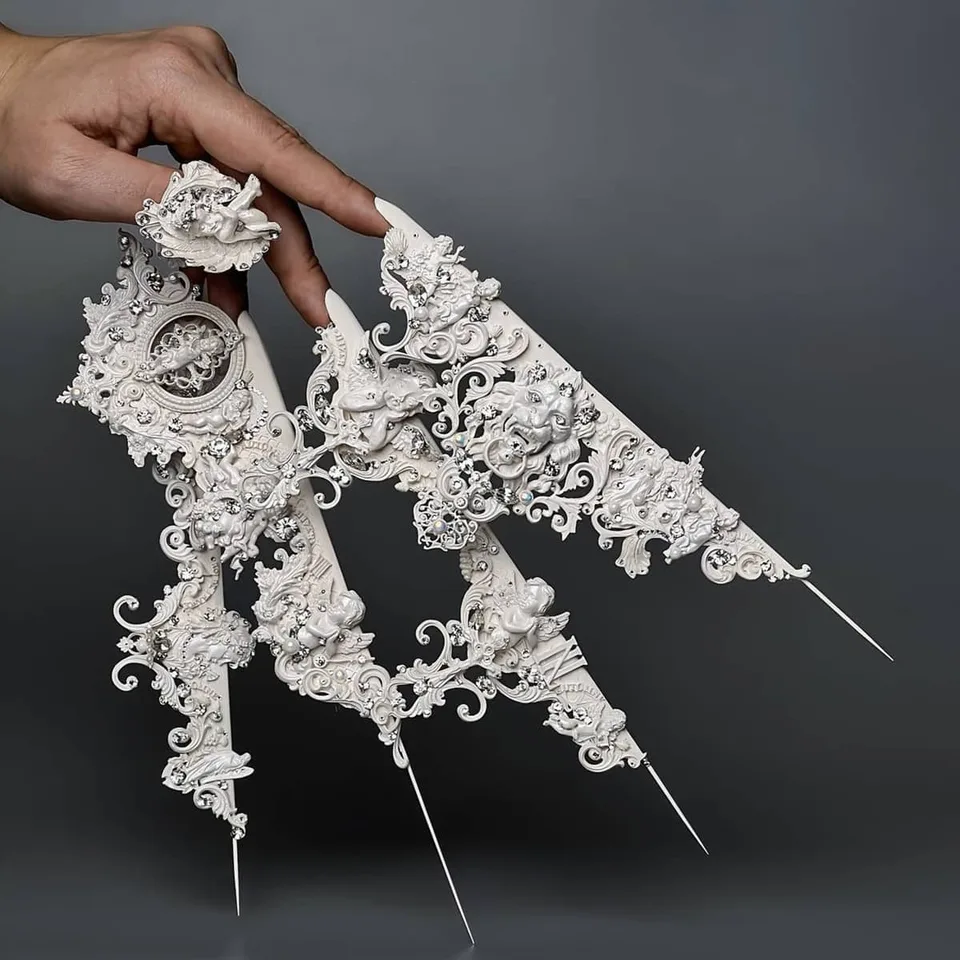
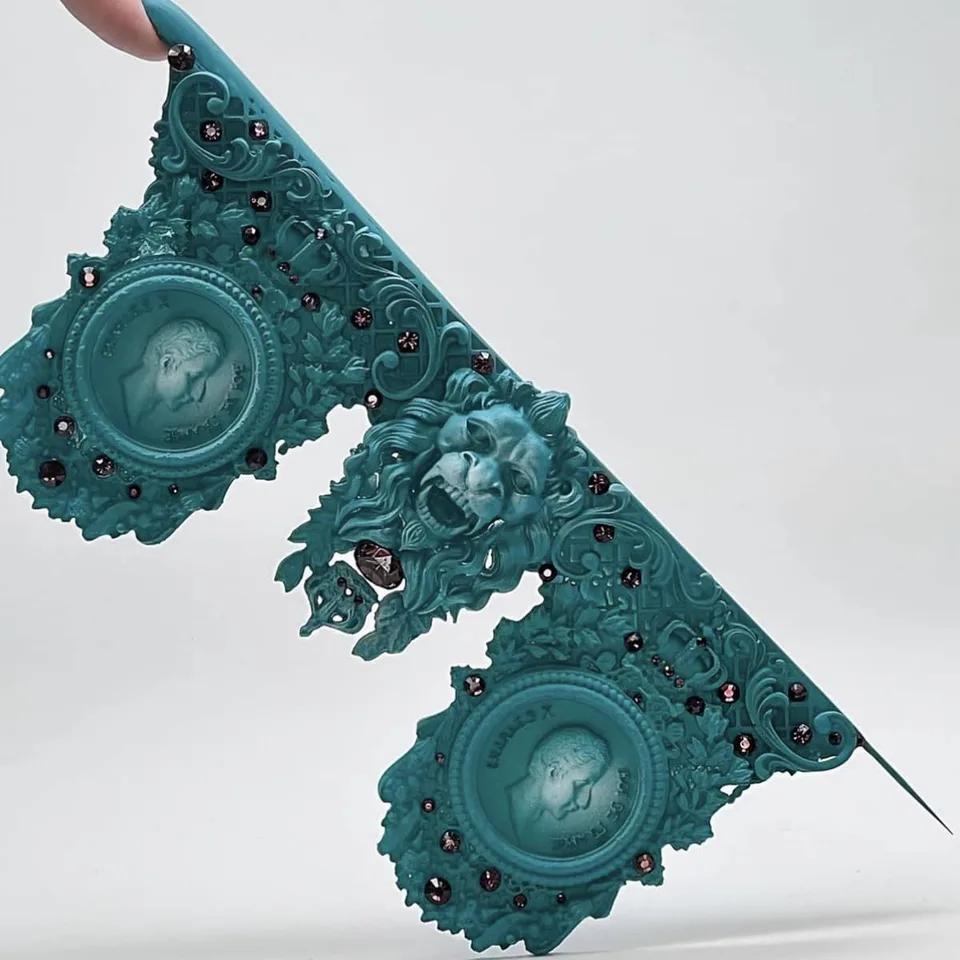
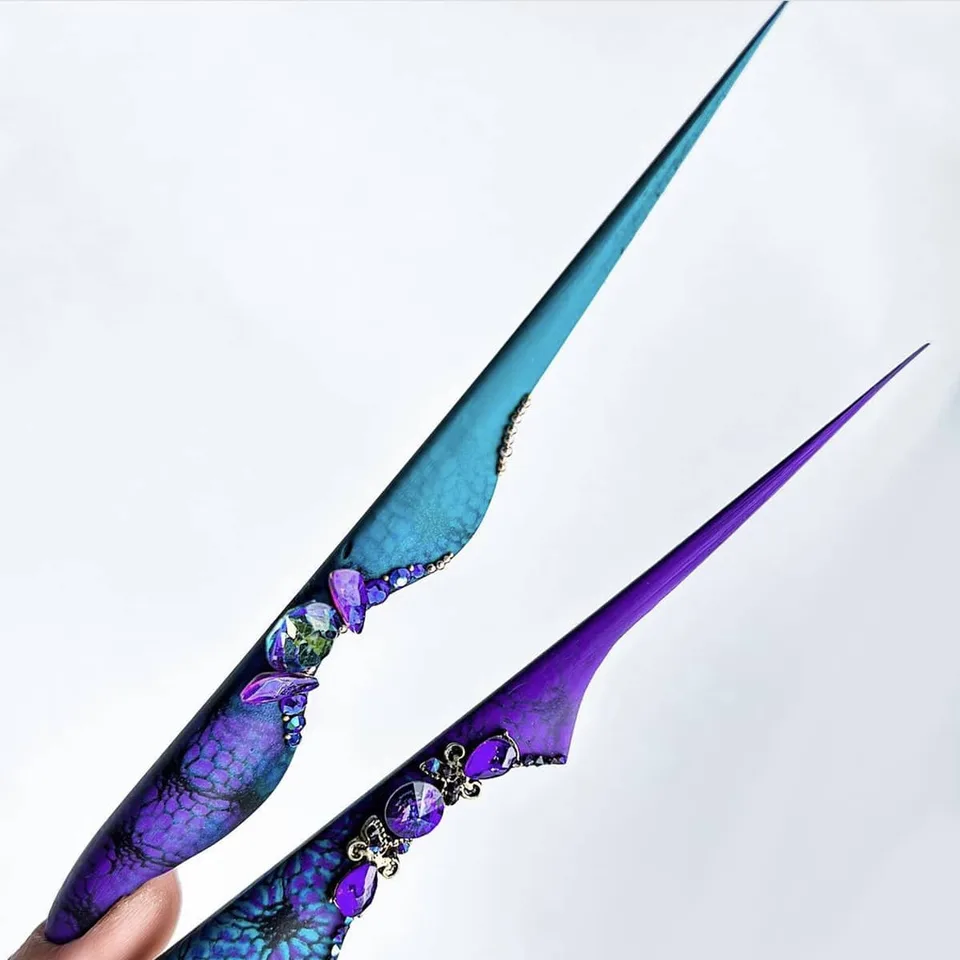
Extra-long, imaginative shapes
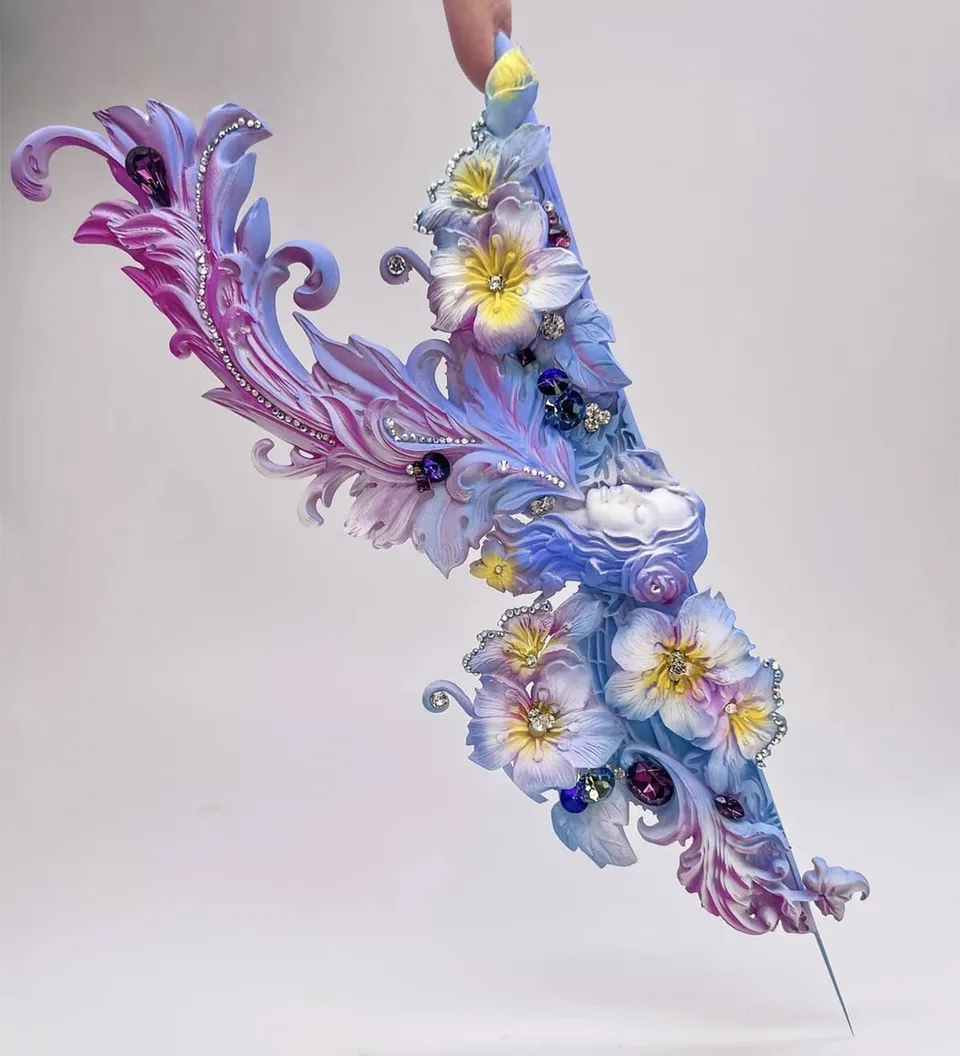
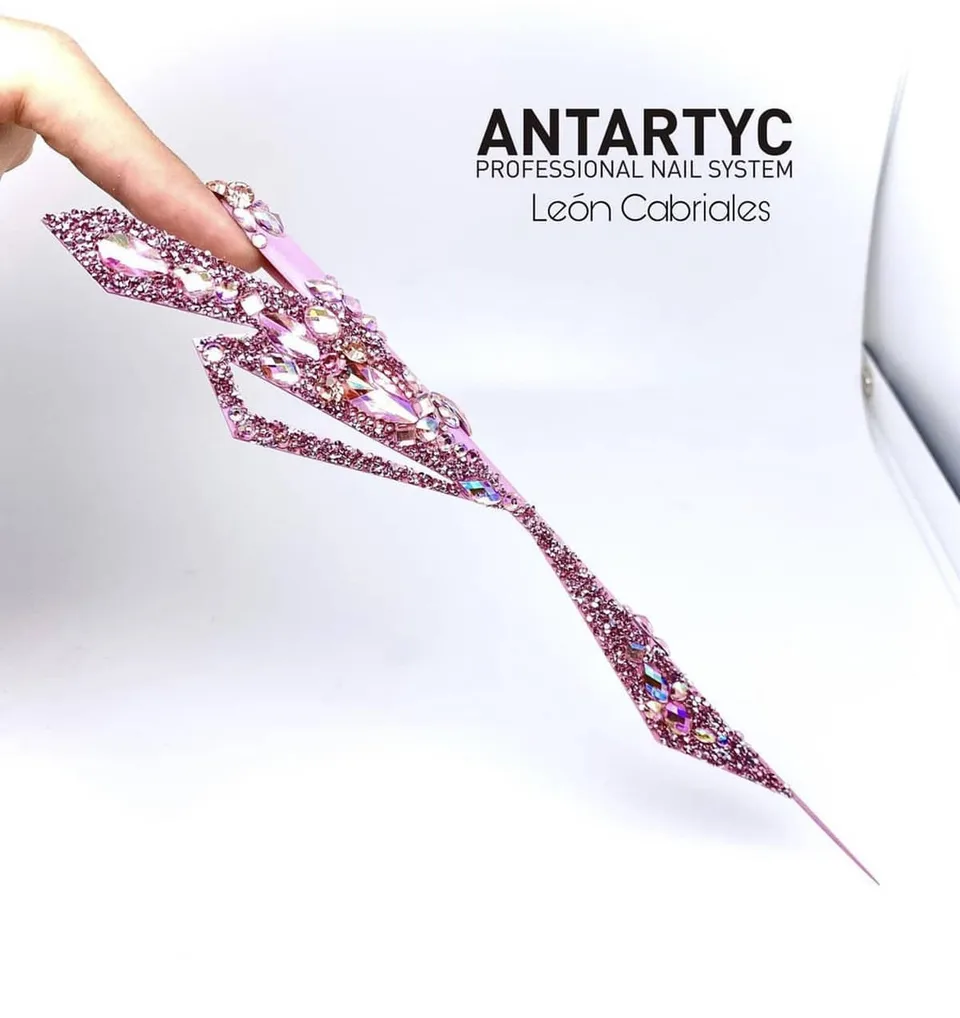
In recent years, we have seen a surge in incredibly long, elaborate nails—true works of art with decorations that could rival a Rococo palace.
Completely impractical to wear, but perfect for competitions, posters and photo shoots.
How many nail shapes are there? who invented them?
As we have seen, there are many different nail shapes, and we have explored the most popular.
There are plenty more, however, from lipstick nails (with a slanted tip like a lipstick) to nails with dragon-wing, butterfly, cube or star-shaped forms, and even highly complex, carved designs.
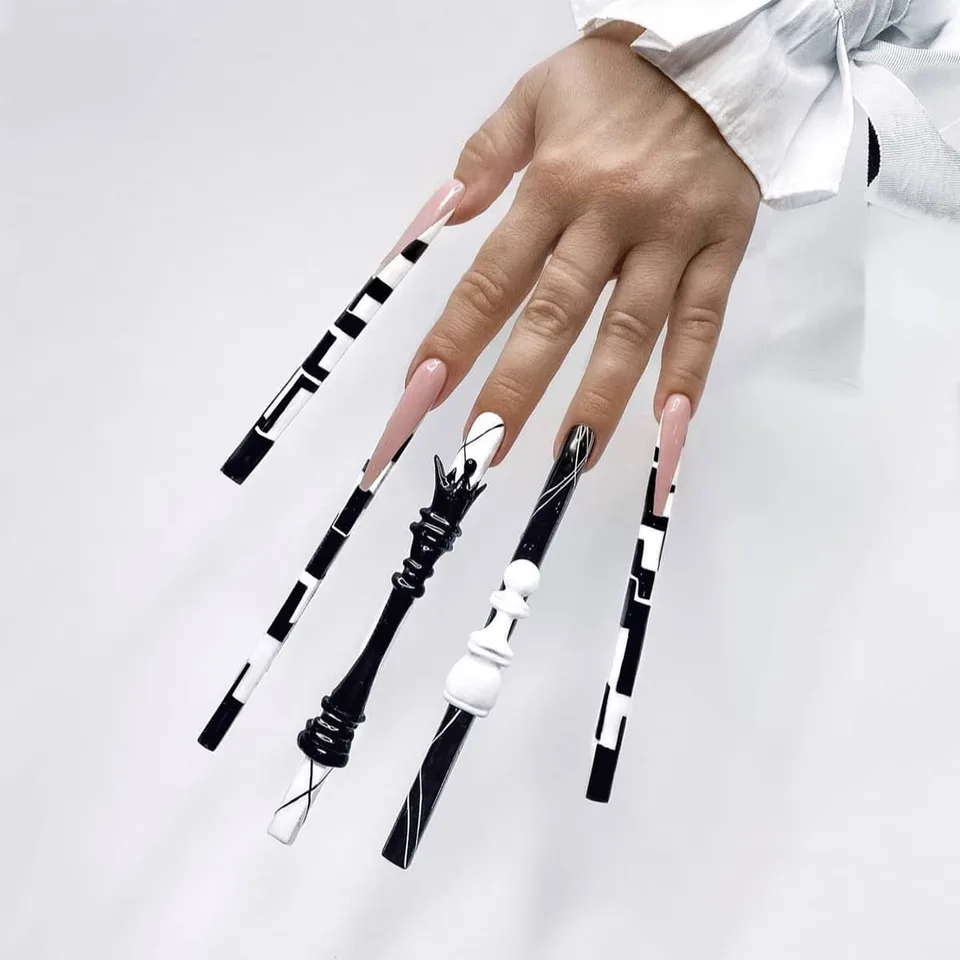
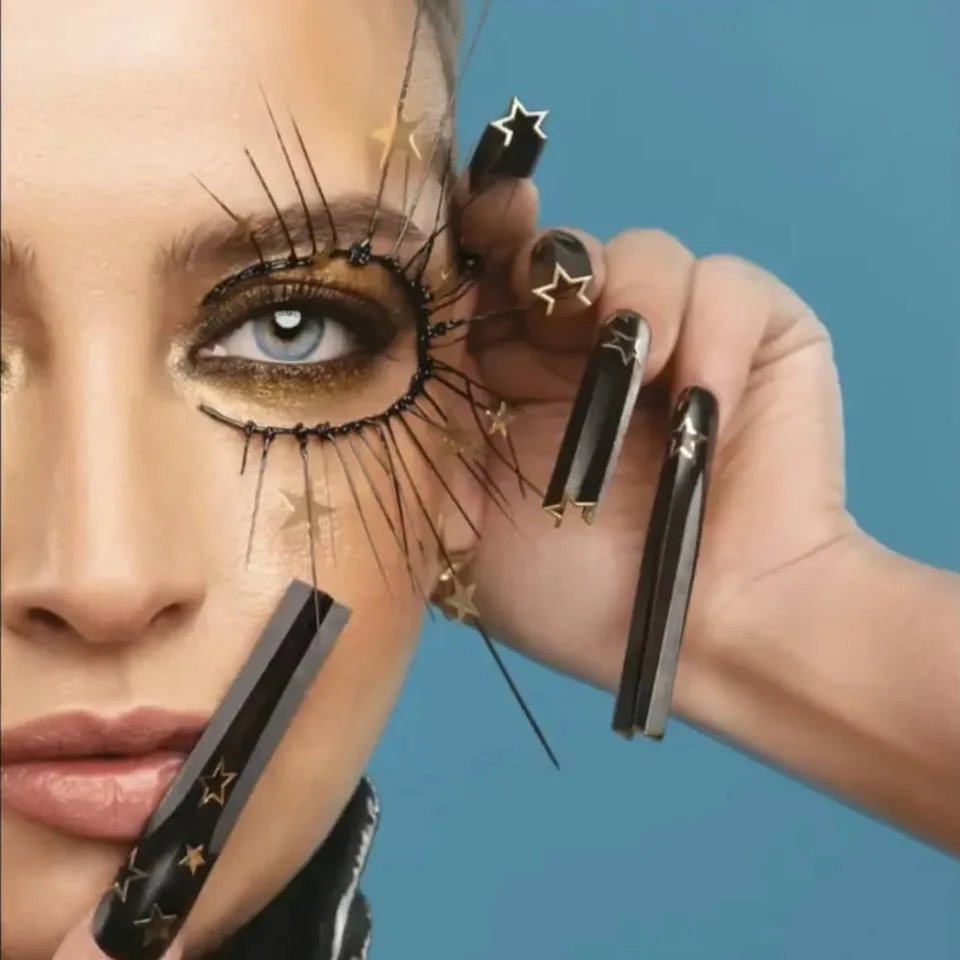
In essence, change a few details here and there and you have invented a new shape. Anyone can do it.
We know who originally created some shapes, but not many others. There is considerable confusion, partly because a nail shape, like a nail art technique, cannot be patented, so the inventor’s identity is not always certain.
One thing is certain: beyond the classic shapes, there is a whole world to discover, study and create!
Frequently asked questions about nail shapes
- Which nail shape is strongest? Oval nails are generally considered the strongest, as their curves and shorter length help prevent breakage.
- Which nail shape is best for small hands? If the fingers are slender, any medium-to-long shape can help balance particularly small hands.
- Are square nails fashionable? Square nails are timeless and quintessentially classic, although ballerina and almond shapes are currently more fashionable.
- Can I change the shape of my natural nails? Yes, you can file your natural nails into different shapes, but you must always respect their natural structure to avoid damage. Too often I see nails with the sides completely filed away from the lateral nail folds to make the shape look narrower. If you want a radical change, it is better to cut the natural nail short and sculpt an extension using a nail form.
- How often should I reshape my nails?It depends on how quickly they grow. Usually, this is needed about every 4 weeks, during an infill.
Conclusions
Your nail shape may seem like a small detail, but it can make a big difference to your style and how others see you.
Above all, choose a shape you feel comfortable wearing. Experiment, play and enjoy changing it from time to time if you wish.
After all, nails are another way to express your individuality and personality.
And if you want to become a true nail professional, you will also need to explore more extreme challenges: study them and, why not, try wearing them too!