Cleaning, sanitising, disinfecting, sterilising and decontaminating: definitions and differences
A dusty, dirty workstation with gel stains is not a reassuring sight. It also risks exposing us to bacteria, other germs and dangerous viruses.
First, let’s clarify some terms and product properties, because they are often misunderstood or used incorrectly.
Cleaning: what is it and when is it needed?
Cleaning removes impurities from a surface or the body.
For the body, we use products such as shower gel, shampoo and makeup remover; for surfaces, we use cleaning products such as limescale remover, Marseille soap and many others.
Before Covid, antibacterial ingredients were uncommon in these cleaning products. Today, they may contain bactericidal ingredients, making them sanitising products.
Sanitising: what is it and when is it needed?
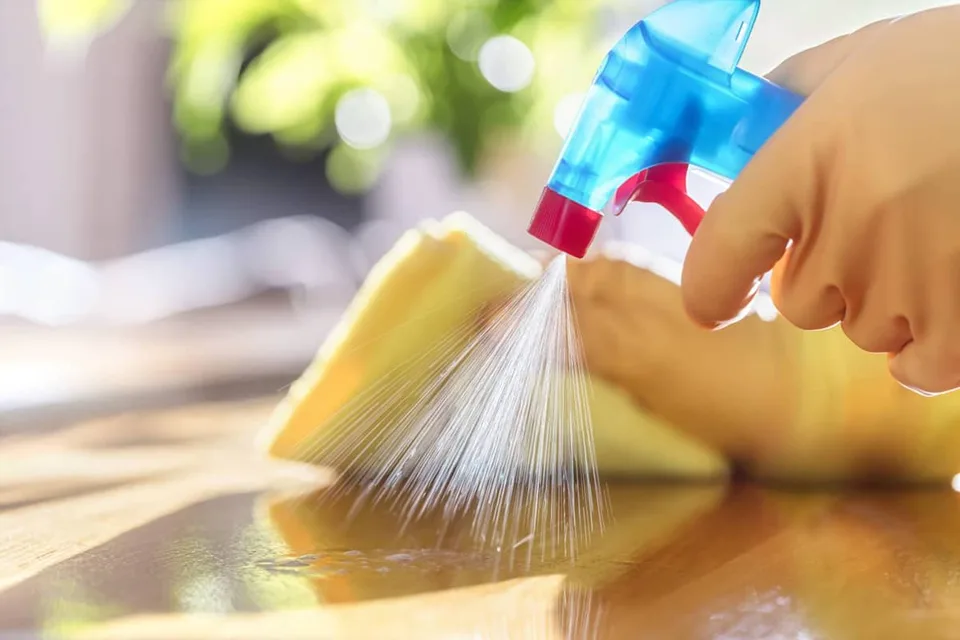
Sanitising eliminates a considerable amount of bacteria and germs, going further than cleaning alone.
But what counts as a sanitising product?
- Products whose formulations contain substances officially recognised as antibacterial.
The concentration of these substances is sometimes stated, but not always. Since the effectiveness of some substances depends on their concentration, without that information we cannot know whether they truly have an antibacterial effect.
Other products provide precise information about their ingredients and the types of bacteria they can eliminate. - These products do not bear the Italian designation “PRESIDIO MEDICO CHIRURGICO” on their packaging.
A sanitiser has not undergone specific tests to establish its exact effectiveness against a particular virus, bacterium or other organism. For this reason, the Italian Ministry of Health recognises it as a sanitiser rather than a disinfectant.
Some products on the market may therefore contain all the ingredients needed to act as disinfectants without being classified as such, perhaps because their manufacturers cannot invest the thousands of euros needed for testing and official certification.
Disinfection: what is it and when is it needed?
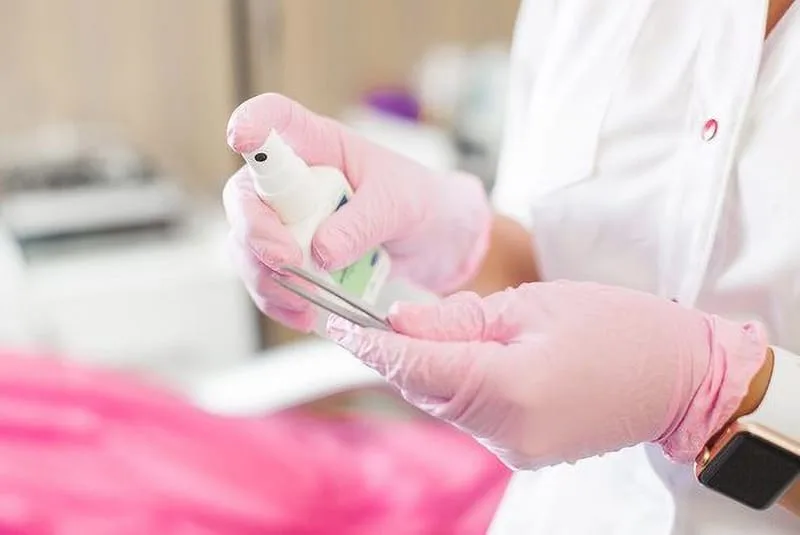
Disinfection eliminates around 99.9% of bacteria, germs, viruses, yeasts, spores or fungi on a surface or the skin.
Disinfectants contain substances active against these pathogens. Common examples include ethyl alcohol, isopropyl alcohol and its derivatives (ethanol, etc.), and chlorine and its derivatives (sodium hypochlorite, etc.).
By law, disinfectants must:
- display the Italian designation “PRESIDIO MEDICO CHIRURGICO” on their packaging.
This means the product has undergone testing and demonstrated effectiveness against the pathogens listed on its label. - If alcohol-based and intended for skin, contain at least 60 or 70% alcohol or a derivative. There is some scientific debate about this percentage: some consider only concentrations above 70% truly effective, while others say 60% is sufficient. The situation is confusing. Some argue that the threshold has not officially been set at 70% because many products labelled as disinfectants already contain 60%, and withdrawing them would cause manufacturers substantial losses.
- If alcohol-based and intended for surfaces, contain 75% to 100% ethyl alcohol. Pure alcohol can be used on surfaces, whereas it would irritate the skin.
- Products based on active chlorine or sodium hypochlorite (bleach or the classic Amuchina formulation) generally require dilution to avoid harming the respiratory tract. Instructions for correct dilution should always be on the packaging.
Start your training at my academy
The most comprehensive online course platform in the nail world.
You will find courses in both nail sculpting and nail art.
Once you have purchased a course, it will be available on your profile forever.
Sterilisation: what is it and when is it needed?
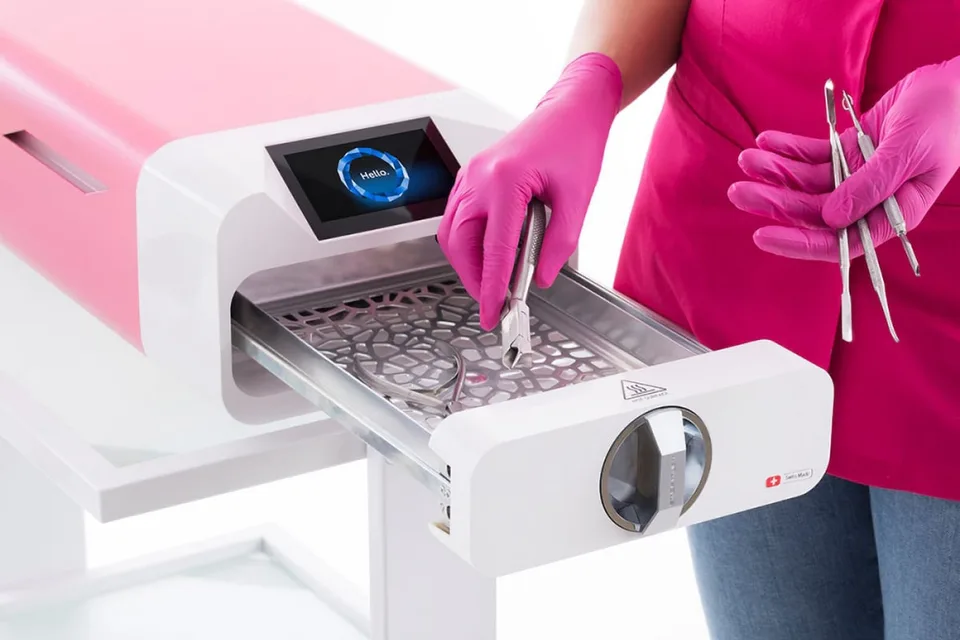
Sterilisation involves removing all forms of life from an instrument, whether harmless or harmful. The only method of sterilisation with 100% accuracy is an autoclave, an expensive machine that uses steam at very high temperatures and pressure.
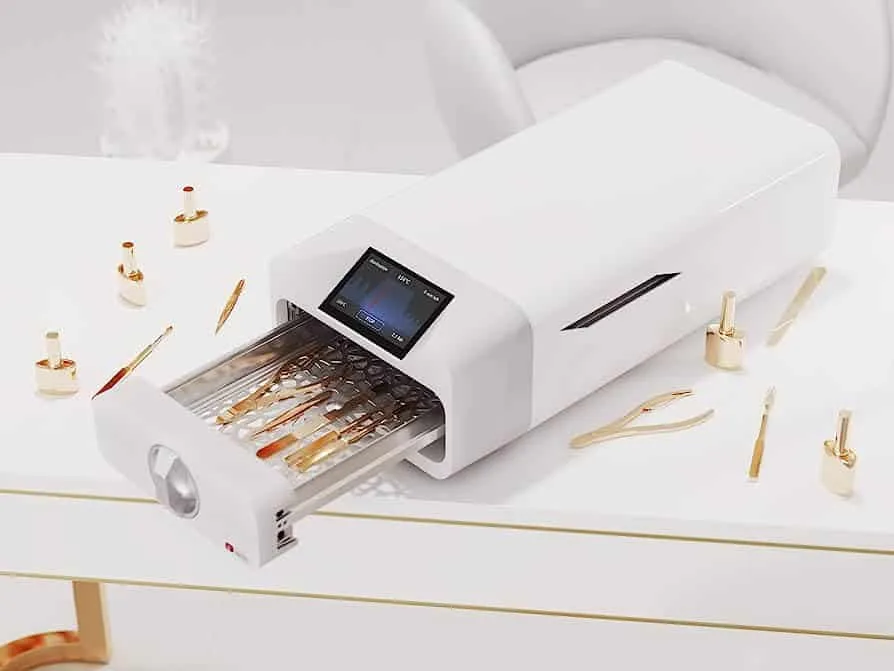
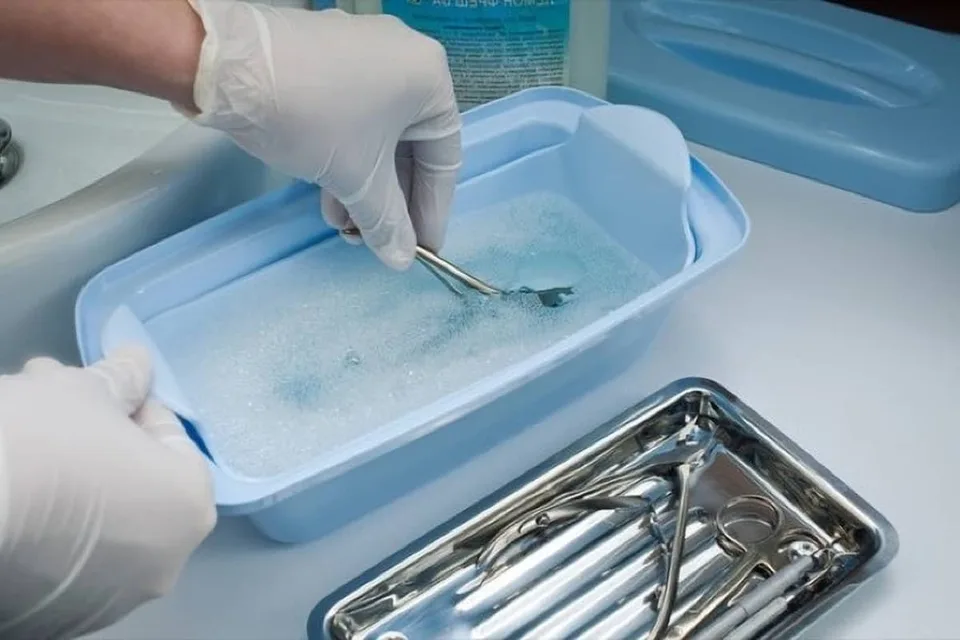
Because not everyone can afford an autoclave, cold sterilising agents such as peracetic acid are often used. These are widely used in clinics and hospitals.
They often come as a powder or granules to be diluted in water according to the required result: they can provide 3 different levels of disinfection as well as a sterilising effect.
Read the instructions carefully to obtain the product’s maximum effectiveness.
The diluted solution can generally be kept in a dedicated tray and lasts 24 hours before needing replacement. After that, it can be disposed of down the drain.
What should not be used for sterilisation?
- Boiling tools
- Glass/quartz bead machines
- UV-C lamps
Which tools can i sterilise in peracetic acid?
- All surgical steel tools, such as scissors, cuticle pushers, nippers and e-file bits, can be sterilised with peracetic acid or in an autoclave. If in doubt, always ask the manufacturer.
- Washable files are made from Mylar and can be disinfected and immersed in peracetic acid.
Sanitation: what is it and when is it needed?
The procedure for disinfecting tools correctly
Having clarified the terminology and products, it is also important to understand that tool-cleaning processes must be carried out in sequence.
What does this mean?
Proceed one step at a time: first clean the tool, then sanitise/disinfect it, and finally sterilise it.
Putting tools straight into an autoclave or peracetic acid without first removing dust and gel residue would undermine the sterilisation process.
First remove dust and product residue with a cloth and cleaning product, then apply a disinfectant, and finally dry the tool and place it in the autoclave or peracetic acid.
Organising your work and managing tools
Another useful tip is to keep two or three sets of tools, as there may not be enough time between clients to complete every step described above.
Immersing tools in peracetic acid and cleaning the table, equipment and workstation may take up to half an hour.
With several sets of tools, you only need to disinfect the workstation before welcoming the next client.
Other good practices include always wearing disposable gloves, preferably nitrile (which is more resistant than latex), and a mask to protect against filing dust.
Ask the client to wash her hands before the service, and use a suitable spray disinfectant. This brief contact with water will not affect product retention.
As I explain in my Basic Manual on Nail Plate Conditions and Abnormalities, a disposable item such as a file must be discarded immediately if it touches blood or a suspicious mark (fungal infection or Pseudomonas). A steel tool exposed in the same way must be sterilised, at least with peracetic acid.